
• Home
  • About
  • The Reset
  • Eat Beautifully

  • Shop
  • Blog
  • Contact
0

Eat Beautifully

Healthy Living

Inflammaging: How Chronic Inflammation Ages You Prematurely

May 30, 2025

Hidden inflammation in your body not only leads to premature aging but is at the root of all chronic illness—conditions like heart disease, obesity, diabetes, dementia, depression, cancer, and even autism. Understanding what inflammaging is, its triggers, and how to combat inflammation is a vital component of living healthier and more vibrantly.

The Hidden Damage of Inflammation

Inflammaging refers to chronic, low-grade inflammation that accelerates aging at the cellular level. As we age, the body’s ability to regulate inflammation diminishes, leading to a state of ongoing, low-grade inflammation. This chronic inflammation accelerates the aging process and can resulting in various health complications that can affect our quality of life.

Acute vs. Chronic Inflammation

  • Acute Inflammation: This type of inflammation is a short-term response to injury or infection. Acute inflammation is typically a healthy, protective response that helps the body heal. For example, when you cut your finger, the body sends white blood cells to the area to fight off potential infections, which causes inflammation. This response usually resolves once the injury is healed, and the inflammation subsides.
  • Chronic Inflammation: Unlike acute inflammation, chronic inflammation is a long-term condition that can last for months or years. It occurs when the body’s immune response is continuously activated, often without a clear trigger. Chronic inflammation is often invisible, meaning you may not notice any immediate symptoms, but it can lead to significant health issues over time.

What Triggers Inflammation?

Several factors can trigger chronic inflammation, including:

  1. Poor Diet: A diet high in processed foods, sugar, and unhealthy fats can contribute to inflammation. Foods that promote inflammation include refined carbohydrates, fried foods, and excessive alcohol. 
  2. Unbalanced Gut: A significant connection exists between gut health and inflammation. The gut microbiome plays a critical role in regulating inflammation levels. An imbalanced microbiome, often the result of poor nutrition and lifestyle, can contribute to inflammatory processes.
  3. Estrogen Decline: Estrogen, particularly estradiol, is known for its anti-inflammatory properties, helping to regulate the immune system and reduce inflammation throughout the body. When our estrogen begins to decline during perimenopause this leads to increased production of pro-inflammatory cytokines, signaling molecules that promote inflammation. 
  4. Physical Inactivity: Lack of physical activity is typically linked to excess visceral body fat (the fat which accumulates around the abdomen) which can produce pro-inflammatory cytokines, leading to chronic inflammation in the body.
  5. Stress: Chronic stress leads to hormonal imbalances that can trigger inflammation. High cortisol levels can affect the immune system, making the body more susceptible to inflammatory processes.
  6. Sleep Deprivation: Lack of quality sleep can lead to increased levels of inflammatory markets in the body. Without 7 to 8 hours of sleep a night, cortisol levels increase and cause inflammation in the body potentially leading to lowered defenses in the immune system and an increased risk of developing many chronic conditions. 
  7. Environmental Factors: Exposure to environmental toxins, such as air pollution, chemicals, and heavy metals, chemicals in your skincare products can contribute to chronic inflammation. 

Strategies to Combat Chronic Inflammation
Now that we understand the causes of chronic inflammation, let’s explore some effective strategies to combat it and support our health. 

1. Adopt an Anti-Inflammatory Diet: Emphasizing a diet rich in fruits, vegetables, nuts, whole grains, and healthy fats can help reduce inflammation. Consider incorporating foods known for their anti-inflammatory properties, including:

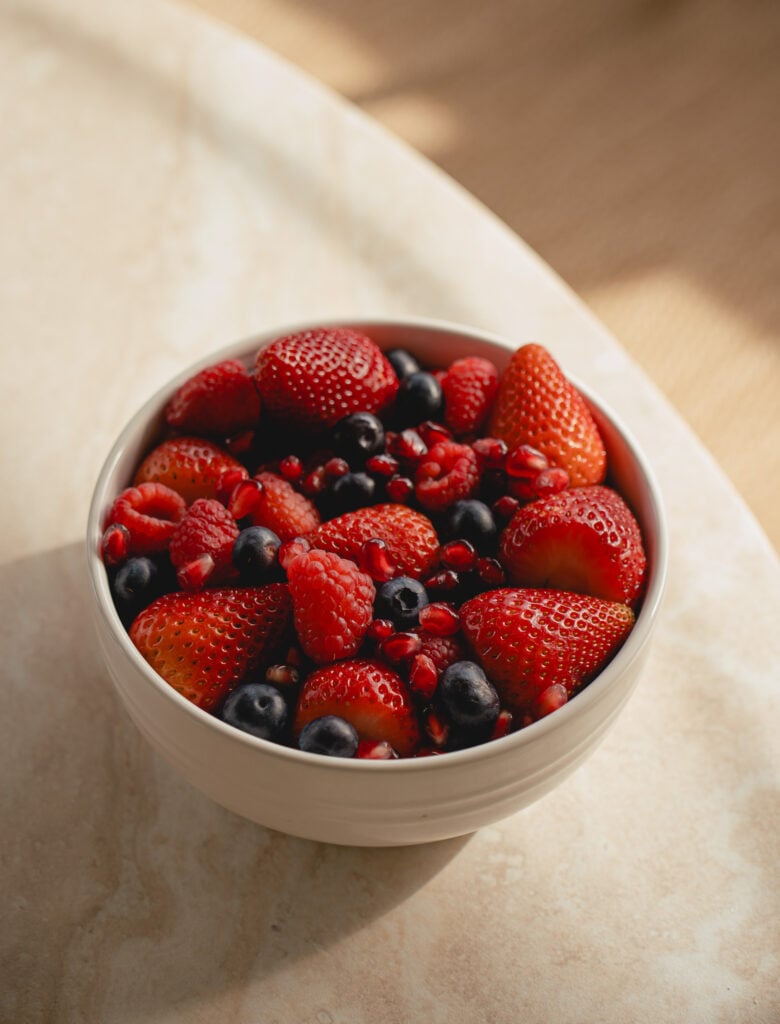
  • Berries: Rich in antioxidants, berries can help fight inflammation.
  • Fatty Fish: Salmon, mackerel, and sardines are rich in omega-3 fatty acids, which can reduce inflammatory markers
  • Leafy Greens: Spinach, kale, and broccoli are packed with vitamins and minerals that combat inflammation.
  • Turmeric: This spice contains curcumin, a compound known for its anti-inflammatory effects.

2. Work on Your Gut Health: Incorporate probiotics and pre-biotic high fiber foods into your diet. Foods high in prebiotics, such as garlic, onions, and asparagus, feed the good bacteria in the gut. Probiotics, found in fermented foods such as yogurt, kefir, sauerkraut, and kombucha, can help add beneficial bacteria to your body. 

3. Intentional Movement: Regular exercise has an anti-inflammatory effect on the body. Strength training, increasing movement throughout your day (NEAT) and incorporating yoga can help reduce inflammation.

4. Prioritize Sleep: Aim for 7-9 hours of quality sleep each night (harder said than done). This is the time of life where focusing on sleep hygiene practices, such as maintaining a regular sleep schedule and creating a comfortable sleep environment, is important to help with sleep. 

5. Learn to Manage Stress Effectively: We can’t eliminate stress but you can incorporate stress-reducing practices into your daily routine, such as meditation, deep-breathing exercises, or engaging in hobbies you love. Finding time to unwind and relax is crucial in managing chronic inflammation.

6. Stay Hydrated: Drinking plenty of water is vital for maintaining optimal cellular function and flushing out toxins from the body. Aim for at least half your body weight in ounces of water daily.

7. Consult a Health Professional:  If you suspect chronic inflammation is affecting your health, consult a qualified nutrition or health coach. They can help create a personalized wellness plan tailored to your needs.

Take Control of Inflammaging

In my program Live Powerfully, I empower women to understand what is happening inside your body and teach you to nourish yourself with real food and targeted nutrition. If you are ready to reclaim your radiance, click here.

Share

You May Also Like

January 18, 2021

Plant-Based Pantry and Grocery List

July 21, 2022

The Microbiome Explained

January 7, 2025

Fitness and Nutrition Approaches in Your 30’s and 40’s: What’s Really Worth It

Hi, I’m Jeannine
Hi, I’m Jeannine

Hi, I’m Jeannine

I'm a certified health and wellness coach with a passion for cooking and photographing beautiful, colorful, healthy food. I provide healthy plant-forward recipe inspiration for those who want to look and feel their healthiest from the inside out. I'm so glad you stopped by!

Categories

  • Breakfast
  • Dressings & Sauces
  • Drinks
  • Healthy Living
  • Main Dishes
  • Salads
  • Sweets & Snacks
This arugula salad is basically edible skincare

✨ Beets – boost circulation for a natural glow
✨ Pomegranate seeds – antioxidant power to protect collagen
✨ Pumpkin seeds – zinc + vitamin E for clear, calm skin
✨ Arugula – phytonutrients that fight dulling oxidative stress
✨ Extra virgin olive oil – healthy fats that nourish your skin barrier

Serves 1: 

2 C arugula
1/3 C (59 grams) cooked, sliced beets
2 TBSP pepitas, pan roasted (don't skip the pan roasting!)
1/4 C pomegranate seeds
2 TBSP crumbled goat cheese

Dressing (makes extra: save for later!)

¼ C extra virgin olive oil
2 TBSP orange juice
1 TPSP lemon juice
1/4 tsp salt
¼ tsp ground black pepper

#functionalnutritionist #nutrition #skinglow
eatbeautifullynutrition
•
Follow
This arugula salad is basically edible skincare ✨ Beets – boost circulation for a natural glow ✨ Pomegranate seeds – antioxidant power to protect collagen ✨ Pumpkin seeds – zinc + vitamin E for clear, calm skin ✨ Arugula – phytonutrients that fight dulling oxidative stress ✨ Extra virgin olive oil – healthy fats that nourish your skin barrier Serves 1: 2 C arugula 1/3 C (59 grams) cooked, sliced beets 2 TBSP pepitas, pan roasted (don't skip the pan roasting!) 1/4 C pomegranate seeds 2 TBSP crumbled goat cheese Dressing (makes extra: save for later!) ¼ C extra virgin olive oil 2 TBSP orange juice 1 TPSP lemon juice 1/4 tsp salt ¼ tsp ground black pepper #functionalnutritionist #nutrition #skinglow
1 day ago
View on Instagram |
1/5
Habits You Think Are Healthy But Actually Aren't.....

Did this one surprise you??

Follow @eatbeautifullynutrition for science back nutrition that makes healthy eating feel beautiful. 

#functionalnutritionist #nutrition #womenover40
eatbeautifullynutrition
•
Follow
Habits You Think Are Healthy But Actually Aren't..... Did this one surprise you?? Follow @eatbeautifullynutrition for science back nutrition that makes healthy eating feel beautiful. #functionalnutritionist #nutrition #womenover40
1 day ago
View on Instagram |
2/5
Dear algorithm...

If you were raised on SnackWell's, 100 cal packs, and the idea that carbs were dangerous.... this space is for you. If you're tired of running on fumes, battling weird symptoms, can't lose weight and/or wondering why your body feels different in your 30s and 40s you're not broken. You're just in a new season. I help midlife women rebuild energy, support their metabolism and address their health issues with real food and functional nutrition.
Follow @eatbeautifullynutrition to step into something softer, stronger, and more grounded together!
eatbeautifullynutrition
•
Follow
Dear algorithm... If you were raised on SnackWell's, 100 cal packs, and the idea that carbs were dangerous.... this space is for you. If you're tired of running on fumes, battling weird symptoms, can't lose weight and/or wondering why your body feels different in your 30s and 40s you're not broken. You're just in a new season. I help midlife women rebuild energy, support their metabolism and address their health issues with real food and functional nutrition. Follow @eatbeautifullynutrition to step into something softer, stronger, and more grounded together!
2 days ago
View on Instagram |
3/5
Start your new year's momentum this December! By making small changes now, we can focus on our well-being and enter the new year feeling refreshed and rejuvenated. 😘 

December is not the month to be making huge changes. Pick three small habits to incorporate into your week and let me know how you feel.

#eatbeautifully #hormonehealth #glowup
eatbeautifullynutrition
•
Follow
Start your new year's momentum this December! By making small changes now, we can focus on our well-being and enter the new year feeling refreshed and rejuvenated. 😘 December is not the month to be making huge changes. Pick three small habits to incorporate into your week and let me know how you feel. #eatbeautifully #hormonehealth #glowup
2 days ago
View on Instagram |
4/5
Do any of these surprise you? 

Healthy habits which actually aren't healthy....

Non-fat everything: Lower fat products (like Greek yogurt) can have a role in your diet but women, especially need to be careful of not going overboard on fat free products. Your body needs healthy fats (olive oil, nuts/seeds, avocado) for hormones, skin, brain function, and nutrient absorption. Ultra-processed ‘fat-free’ products often do more harm than good.
 
Multiple supplements without bloodwork: Stacking supplements without testing can lead to nutrient imbalances, poor absorption, or excessive doses. Work with a qualified provider to identify what you actually need.
 
Drinking cold water with meals: Chugging large amounts of water during meals dilutes your stomach acid and may contribute to bloating and cold water can slow down digestion.
 
Avoiding fruit bc of sugar: Fruit contains fiber, antioxidants, and phytonutrients that support digestion, immunity, and cellular health—far outweighing concerns about natural sugars.
 
Replacing carbs with cauliflower everything. Cauliflower is great—but it can’t replace the fiber, minerals, and sustained energy you get from complex carbs like whole grains, beans, and root vegetables.
 
Working out everyday: Intense workouts every day can spike stress hormones and hinder progress. Your body adapts and gets stronger when you rest—think training + recovery as a pair.

Follow @eatbeautifullynutrition for science-backed nutrition that makes healthy eating feel beautiful.
eatbeautifullynutrition
•
Follow
Do any of these surprise you? Healthy habits which actually aren't healthy.... Non-fat everything: Lower fat products (like Greek yogurt) can have a role in your diet but women, especially need to be careful of not going overboard on fat free products. Your body needs healthy fats (olive oil, nuts/seeds, avocado) for hormones, skin, brain function, and nutrient absorption. Ultra-processed ‘fat-free’ products often do more harm than good. Multiple supplements without bloodwork: Stacking supplements without testing can lead to nutrient imbalances, poor absorption, or excessive doses. Work with a qualified provider to identify what you actually need. Drinking cold water with meals: Chugging large amounts of water during meals dilutes your stomach acid and may contribute to bloating and cold water can slow down digestion. Avoiding fruit bc of sugar: Fruit contains fiber, antioxidants, and phytonutrients that support digestion, immunity, and cellular health—far outweighing concerns about natural sugars. Replacing carbs with cauliflower everything. Cauliflower is great—but it can’t replace the fiber, minerals, and sustained energy you get from complex carbs like whole grains, beans, and root vegetables. Working out everyday: Intense workouts every day can spike stress hormones and hinder progress. Your body adapts and gets stronger when you rest—think training + recovery as a pair. Follow @eatbeautifullynutrition for science-backed nutrition that makes healthy eating feel beautiful.
3 days ago
View on Instagram |
5/5
@eatbeautifullyblog

© EATBEAUTIFULLYBLOG PRIVACY POLICY | TERMS AND CONDITIONS